ISAs and Tax-Free Saving
Lifetime ISA vs Help to Buy vs Pension for a House Deposit
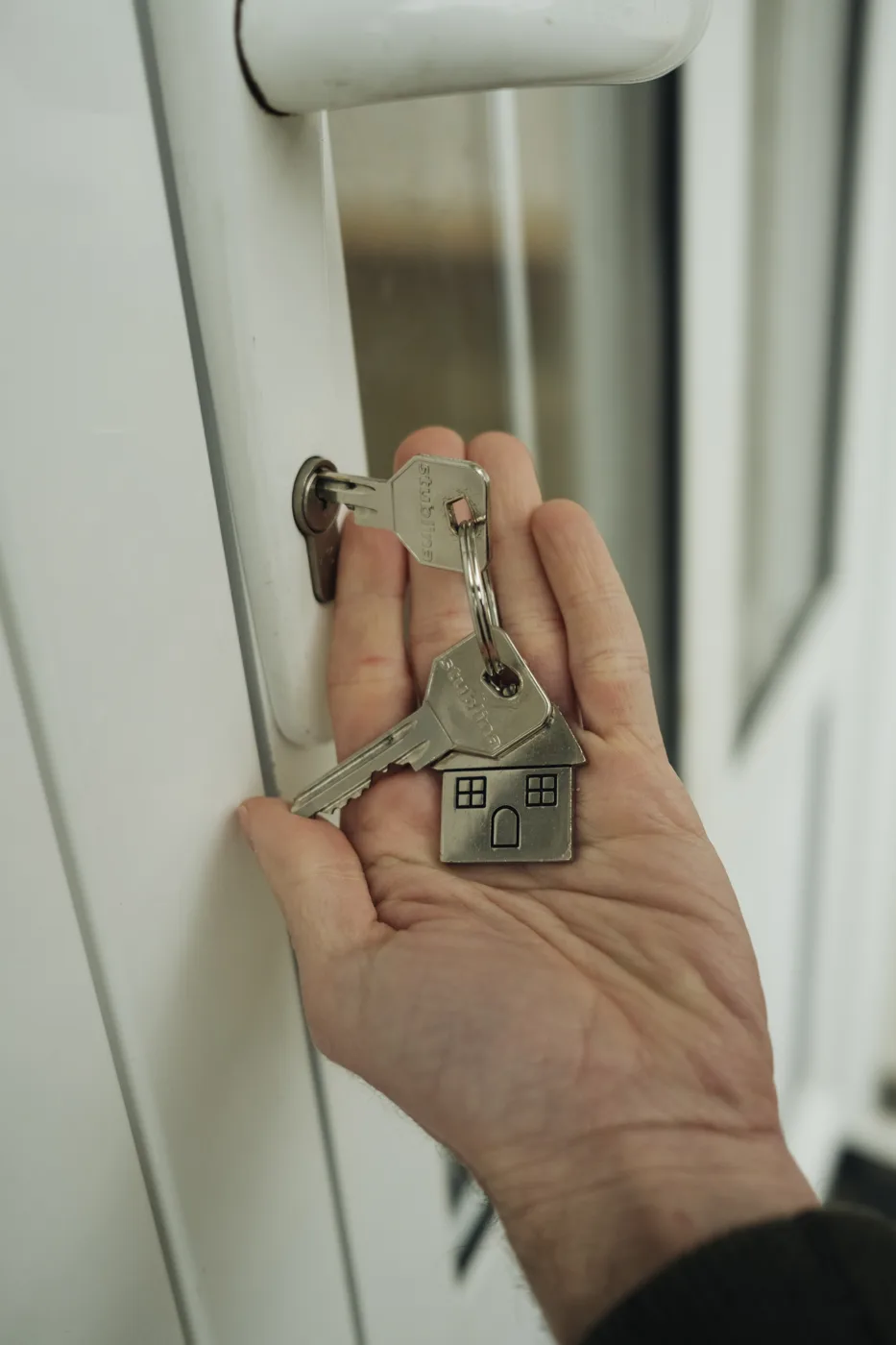
If you are saving for a first home, the Lifetime ISA vs pension question comes up fast, usually alongside the older Help to Buy ISA that a lot of people still have sitting in a bank account. They are not really three versions of the same thing. One is built for a deposit, one is closed to new savers, and one is locked away until you are decades older. Getting the distinction right is the difference between reaching your deposit years sooner and tying your money up where you cannot touch it.
This guide compares all three for the specific job of buying a first home, and is deliberately clear about where each one wins and where it traps you.
The short answer
For a house deposit, the Lifetime ISA (LISA) is almost always the right home for new money. It is purpose-built for a first purchase, it pays the same 25% top-up as the old Help to Buy ISA, and unlike a pension you can actually use it to buy a house. A pension is the wrong tool for a deposit because you cannot access it until age 55 (rising to 57 from 2028). Its strength is retirement, not the keys to your first flat.
The rest of this article is the detail behind that answer.
Lifetime ISA: the deposit specialist
A Lifetime ISA lets UK residents aged 18 to 39 pay in up to £4,000 a year, and the government adds a 25% bonus, up to £1,000 a year, paid monthly. You can withdraw penalty-free to buy a first home costing £450,000 or less, provided you buy with a residential mortgage and have never owned property anywhere in the world.
The catch is the penalty. Take the money out for any other reason before age 60, and you pay a 25% withdrawal charge. Because that charge applies to the whole balance including the bonus, it claws back the bonus and roughly 6.25% of your own money on top. So a LISA only makes sense if you are genuinely committed to a first home under £450,000 or to leaving it untouched until 60.
One change worth knowing: at the Autumn 2025 Budget the government announced the LISA will be replaced by a new first-time buyer ISA, expected from around April 2028, and existing holders will be able to keep contributing. The proposed replacement aims to remove the penalty on your own capital. For now the LISA rules above still apply, and the GOV.UK Lifetime ISA guidance is the authoritative source to check before you act.
For the full mechanics, see our Lifetime ISA explained guide.
Help to Buy ISA: closed, but not useless
The Help to Buy ISA was the LISA’s predecessor. It has been closed to new applicants since November 2019, so you cannot open one now. If you already hold one, you can keep paying in until November 2029 and claim the bonus by December 2030.
Two things make it weaker than a LISA for most people. First, the property price cap is lower: £250,000 outside London (£450,000 in London), against the LISA’s flat £450,000 everywhere. Second, the 25% bonus is only paid at completion, so it cannot form part of the deposit your solicitor exchanges with; it arrives at the very end. If you hold a Help to Buy ISA, it is usually worth comparing a transfer of that money into a LISA, which lets the same cash work harder towards a higher-value home.
Pension: the wrong tool for a deposit
A pension is the most tax-efficient way to save for retirement, with tax relief on contributions and, in a workplace scheme, employer money on top. But for a house deposit it fails at the first hurdle: you cannot get at it. Pension money is locked until age 55, rising to 57 in 2028. A 28-year-old cannot use a pension to buy a home now, full stop.
That does not mean pensions do not matter. They usually should come first for long-term wealth, especially where an employer matches your contributions, which is close to free money. The point is simply that a pension and a house deposit are different goals with different accounts. If you are weighing where money goes once the deposit is handled, that is a separate decision from this one.
How to actually decide
- Buying a first home under £450,000, aged 18 to 39? Use a Lifetime ISA. It is the only one of the three designed for the job.
- Already have a Help to Buy ISA? Keep the bonus in mind, but compare transferring it into a LISA for the higher price cap and a bonus you can use as deposit.
- Not sure you will buy, or might need the money? Be cautious with a LISA because of the withdrawal penalty. A cash ISA or stocks and shares ISA keeps your money flexible.
- Thinking long term, past the deposit? That is when the pension conversation begins, particularly if your employer matches contributions.
A common sensible plan is to fund a LISA up to the £4,000 that earns the full £1,000 bonus, then direct anything extra into a workplace pension or a flexible ISA depending on your timeline. Our guide to the ISA allowance for 2026 shows how the LISA limit fits inside your wider £20,000 allowance.
Frequently asked questions
Is a Lifetime ISA or a pension better for a house deposit? A Lifetime ISA, without question. You cannot access a pension until age 55 (57 from 2028), so it cannot be used to buy a first home now. The LISA is purpose-built for a deposit and pays a 25% government bonus on up to £4,000 a year.
Can I still open a Help to Buy ISA? No. Help to Buy ISAs closed to new applicants in November 2019. If you already have one you can keep saving into it until November 2029 and must claim the bonus by December 2030, but you cannot open a new one.
Should I move my Help to Buy ISA into a Lifetime ISA? Often yes. A LISA has a higher, flat £450,000 property cap and pays its bonus in a form you can use as your deposit, whereas the Help to Buy bonus only arrives at completion. Compare the two against the home you actually plan to buy before switching.
How much is the Lifetime ISA bonus? 25% of what you pay in, up to £1,000 a year on the maximum £4,000 contribution. It is paid monthly into your LISA, so it starts compounding rather than waiting until you buy.
What happens if I take money out of a Lifetime ISA for something other than a first home? You pay a 25% withdrawal charge unless you are 60 or over or terminally ill. Because the charge applies to the whole balance, it removes the bonus and around 6.25% of your own money, so only use a LISA for money you are committed to a first home or to retirement.